


Who We Help (Services)
Our therapy programs are tailored to each patient’s abilities, goals, and lifestyle.
Diagnoses Addressed:
Adults with Autism Spectrum Disorder (ASD)
Neurodivergent Diagnoses
Chronic Pain and Fatigue Management
Basic Hand Therapy Conditions
Functional Neurological Disorder (FND)
Parkinson’s and Neurodegenerative Conditions
Post-Concussion Syndrome
Pre-Driving Testing
Stroke Rehabilitation
Basic Hand Therapy
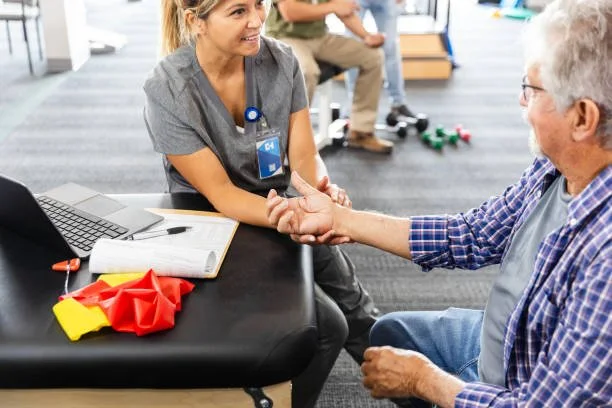
Chronic and Acute Conditions including:
Tendonitis Diagnoses:
Tennis Elbow
Golfer’s Elbow
General Hand/Wrist/Elbow/Arm pain
Nerve Compression Diagnoses:
Carpal Tunnel Syndrome
Cubital Tunnel Syndrome
Radial Tunnel Syndrome
Thoracic Outlet Syndrome
Thumb Tendonitis (de Quervain’s tenosynovitis)
Trigger Fingers
Arthritis
Wrist Fracture
Adults with Autism and
Neurodivergent Diagnoses
Executive Skills - Support organization, planning, and time management.
Sensory Regulation - Identify triggers and develop calming strategies.
Daily Living - Build routines for self-care, home, and community tasks.
Work Skills - Strengthen job readiness and identify appropriate workplace adaptations.
Leisure - Encourage meaningful hobbies and community engagement.

Functional Neurological Disorders:
Symptom management - Teach grounding and body awareness strategies.
Movement retraining - Rebuild normal movement patterns and coordination.
Energy conservation - Support pacing, rest breaks, and fatigue management.
Cognitive support - Address attention, memory, and task organization.
Stress regulation - Develop routines and coping tools for daily function.
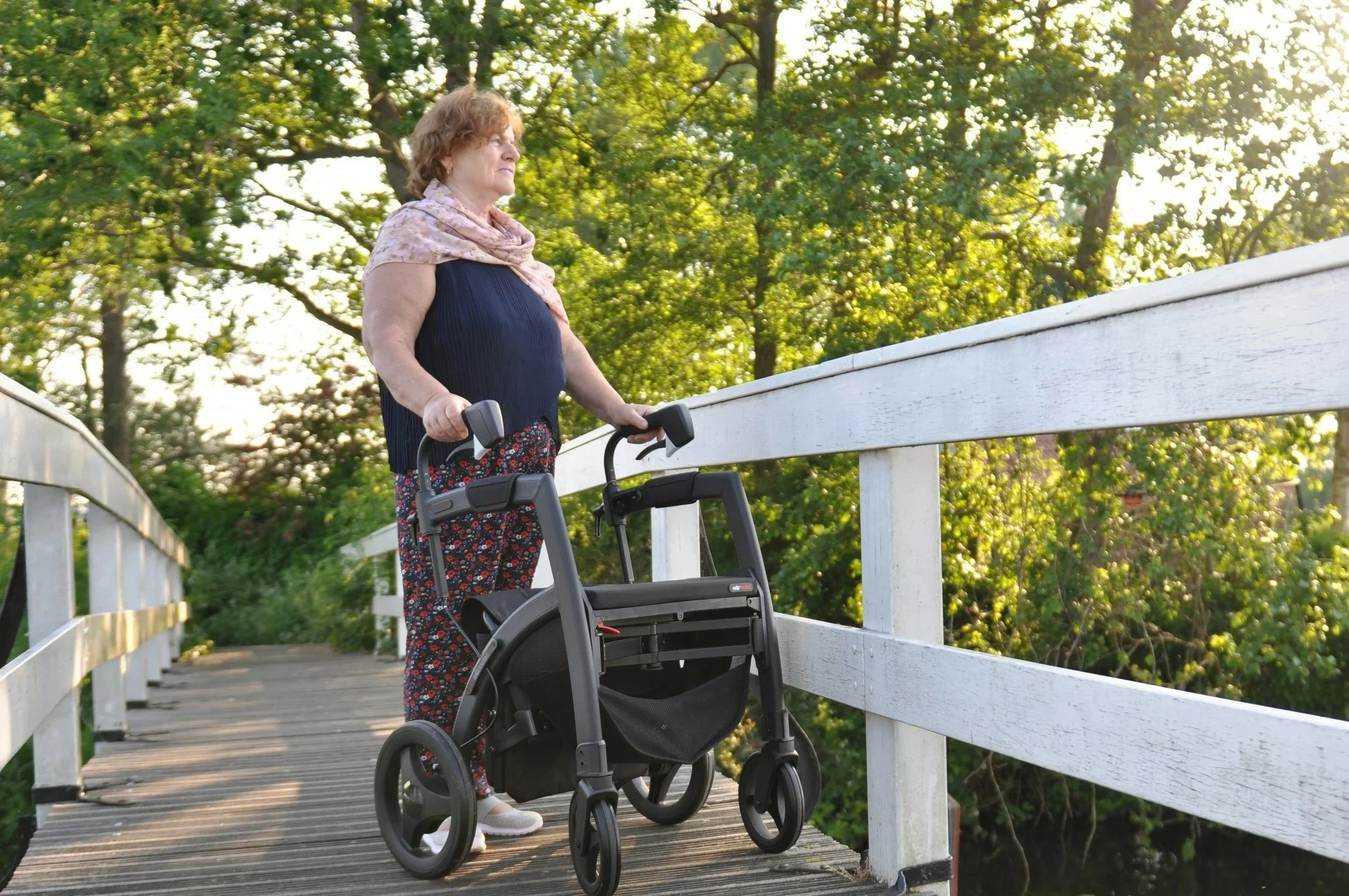
Parkinson’s and Neurodegenerative Conditions:
Daily activity adaptation - Simplify tasks and optimize independence.
Energy conservation - Teach pacing and efficient movement strategies.
Motor skills - Improve coordination, dexterity, and handwriting.
Cognitive support - Strengthen attention, memory, and routines.
Home safety - Recommend equipment and environmental modifications.
Quality of life -Support engagement in meaningful and social activities.

Post Concussion Syndrome:
Vision Therapy — Oculomotor training, visual scanning, environmental modifications.
Pain & Symptom Management — Pacing, relaxation, ergonomic strategies.
Cognitive Support — Memory, attention, executive function training with compensatory tools.
Return-to-Life Skills — Graded re-entry to daily, work, school, and community activities.
Sensory Regulation — Identify triggers, create personalized coping strategies for light, noise, motion.

Pre-Driving Testing:
Our in-clinic pre-driving assessment is a 1 hour assessment which includes evaluations of skills required for safe driving:
Depth Perception
Brake Pedal Reaction Time test
Multitasking
Short term Memory
Falls Assessment
Peripheral Vision
Gross Motor Strength
Coordination
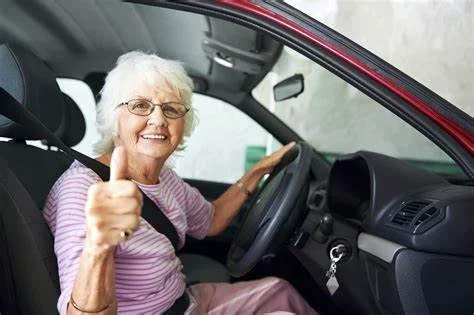
Stroke Rehabilitation:
Motor Recovery: Rebuild strength, coordination, and functional movement.
Saebo-based Interventions: Use evidence-based tools to promote neuroplasticity and upper limb recovery.
Self-care Retraining: Relearn dressing, grooming, and daily routines.
Cognitive Rehabilitation: Address attention, memory, and problem-solving.
Vision and Perception: Improve scanning, awareness, and spatial processing.
Home and Community Reintegration: Support independence and confidence in daily life.
Adaptive Equipment: Recommend and train in tools that enhance safety and function.
Post-Concussion Syndrome
Post-Concussion Syndrome
Filters
No results found
No results match your search. Try removing a few filters.