

How We Help:
3D Printing and Adaptive Design
Cognitive and Memory Support
Fine Motor and Upper Extremity Rehab
Vision Therapy
Saebo Product Fitting, Ordering, and Treatment
Vivastim Vagus Nerve Stimulator Therapy
MyoPro Electric Orthosis Training
Sensory Regulation and Coping Programs
Home and Environment Assessments
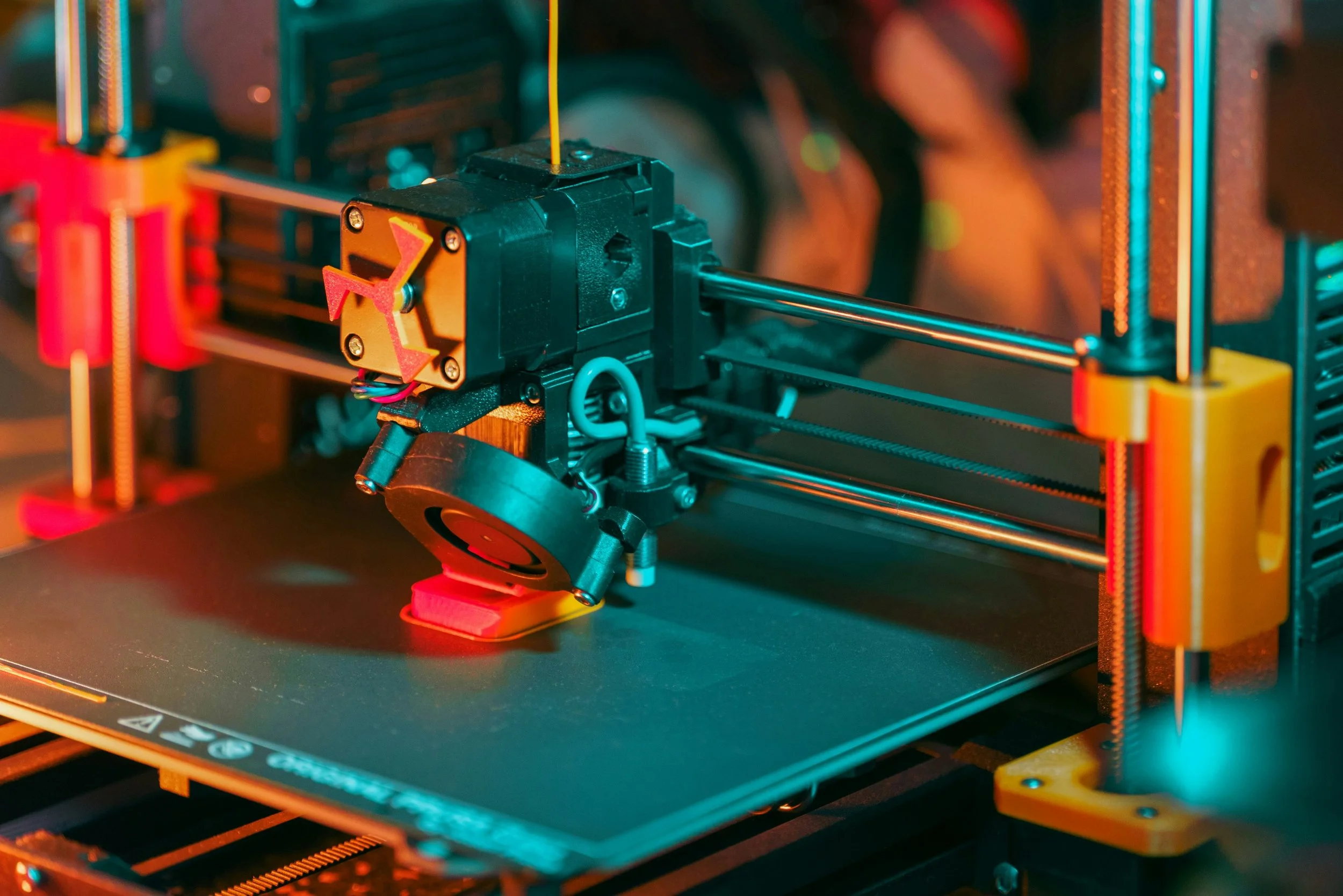
3D Printing:
Custom 3D printed prosthetic for fingertip
Custom Splints & Orthoses: 3D print lightweight, tailored supports for hand, wrist, or limb function.
Adaptive Devices: Design and print utensils, handles, and grips for everyday tasks.
Therapy Tools: Create puzzles and graded exercise objects for cognitive and motor rehab.
Environmental Aids: Produce home modifications (switches, key holders, medication organizers) to boost independence.
Rapid Prototyping: Quickly adjust and reprint items to match changing patient needs and progress.
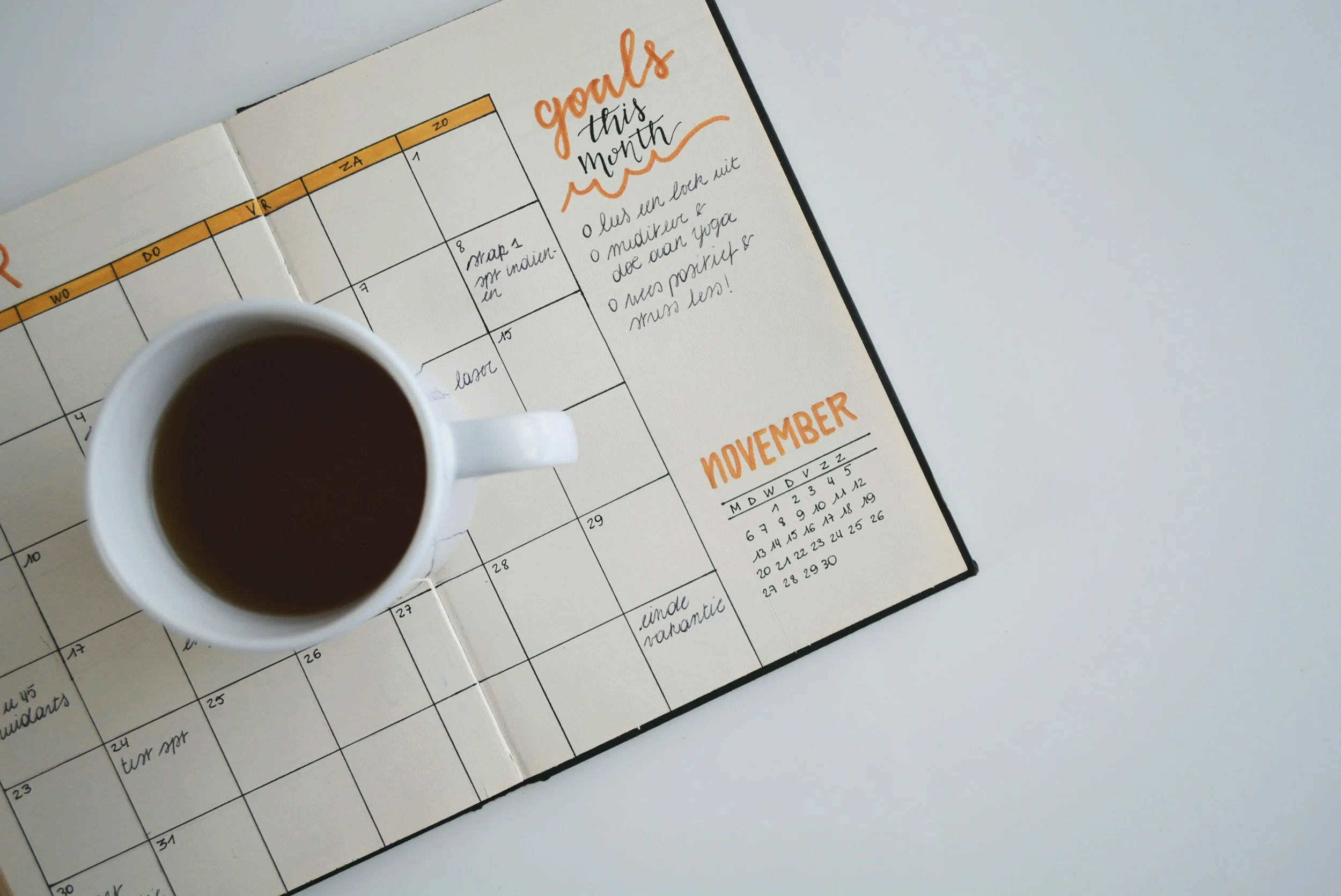
Cognitive and Memory Support:
Attention and Focus: Use strategies to improve concentration and task completion.
Memory Aids: Implement planners, checklists, and digital reminders.
Executive Skills: Strengthen organization, planning, and problem-solving.
Routine Building: Create structured daily habits for consistency.
Functional Application: Practice cognitive strategies in real-life tasks.
Compensatory Tools: Introduce adaptive methods to support independence.
Fine Motor and Upper Extremity Rehab:
Custom 3D printed Thumb Splint for Arthritis at the CMC joint
Strength and Coordination: Improve grip, dexterity, and control.
Range of Motion: Restore mobility through targeted exercises.
Neuromuscular Re-education: Rebuild normal movement patterns.

Functional Tasks: Practice everyday activities for skill carryover.
Custom Splinting and Positioning: Support alignment, comfort, and recovery.
Pain and Edema Management: Reduce discomfort to enhance use and function.

Vision Therapy
Visual Scanning: Improve eye movement and tracking skills.
Visual-Motor Integration: Strengthen coordination between eyes and hands.
Oculomotor Control: Address pursuits, saccades, and fixation stability.
Visual Processing: Enhance perception, depth, and spatial awareness.
Compensatory Strategies: Teach scanning patterns and environmental adaptations.
Functional Application: Apply visual skills to reading, mobility, and daily tasks.
Saebo Product Fitting, Ordering, and Treatment
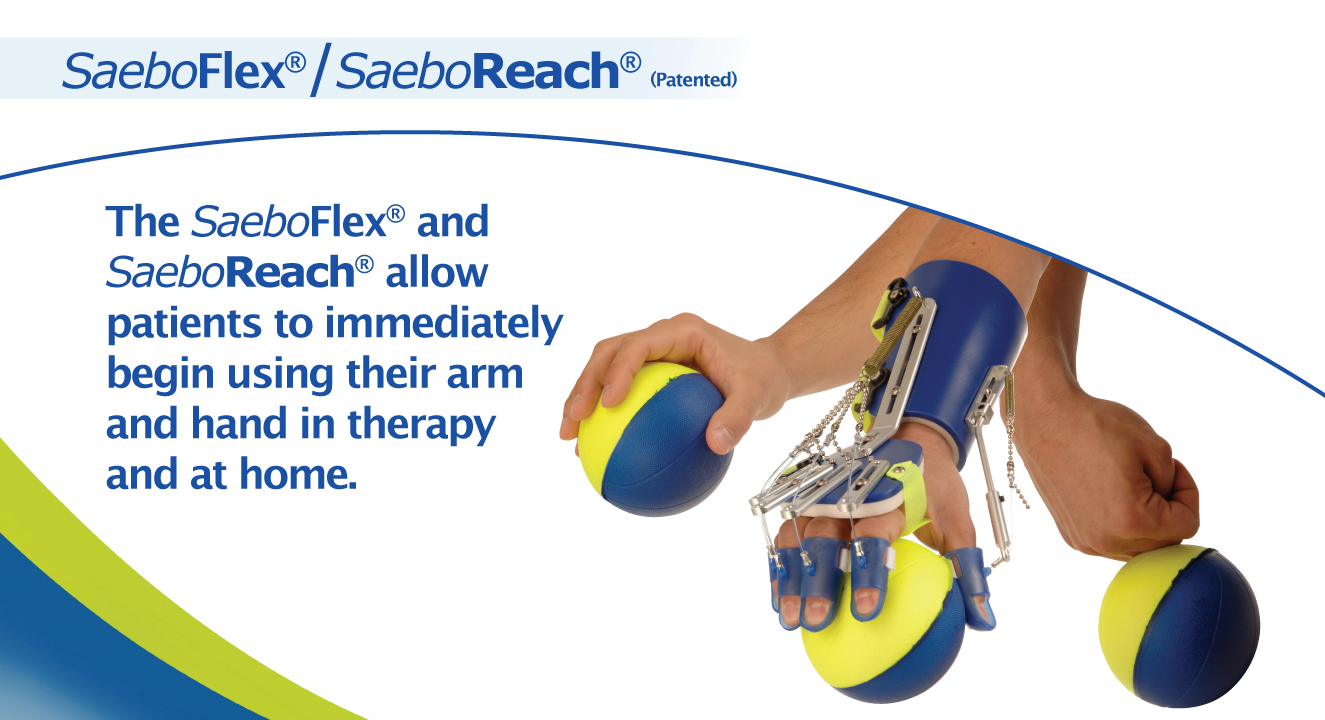
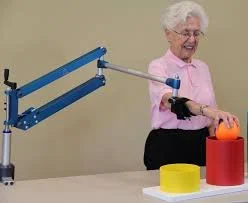
Rebuilds real movement: Saebo’s hand and arm devices promote active use of the affected limb, helping the brain reconnect through repetitive, meaningful motion.
Boosts independence: Clients can practice daily tasks safely and effectively, turning small wins into lasting functional gains.
Research-backed design: Each device supports neuroplasticity and recovery after stroke, brain injury, or other neurological conditions.
Custom-fitted for success: Orca Therapy provides personalized fitting and training to ensure comfort and proper use.
Guided follow-up: We integrate the device into therapy sessions so clients get the most benefit over time.
Simple ordering support: We assist with selecting and ordering the right Saebo product. No hassle, just hands-on help.
Vivistim VNS Therapy
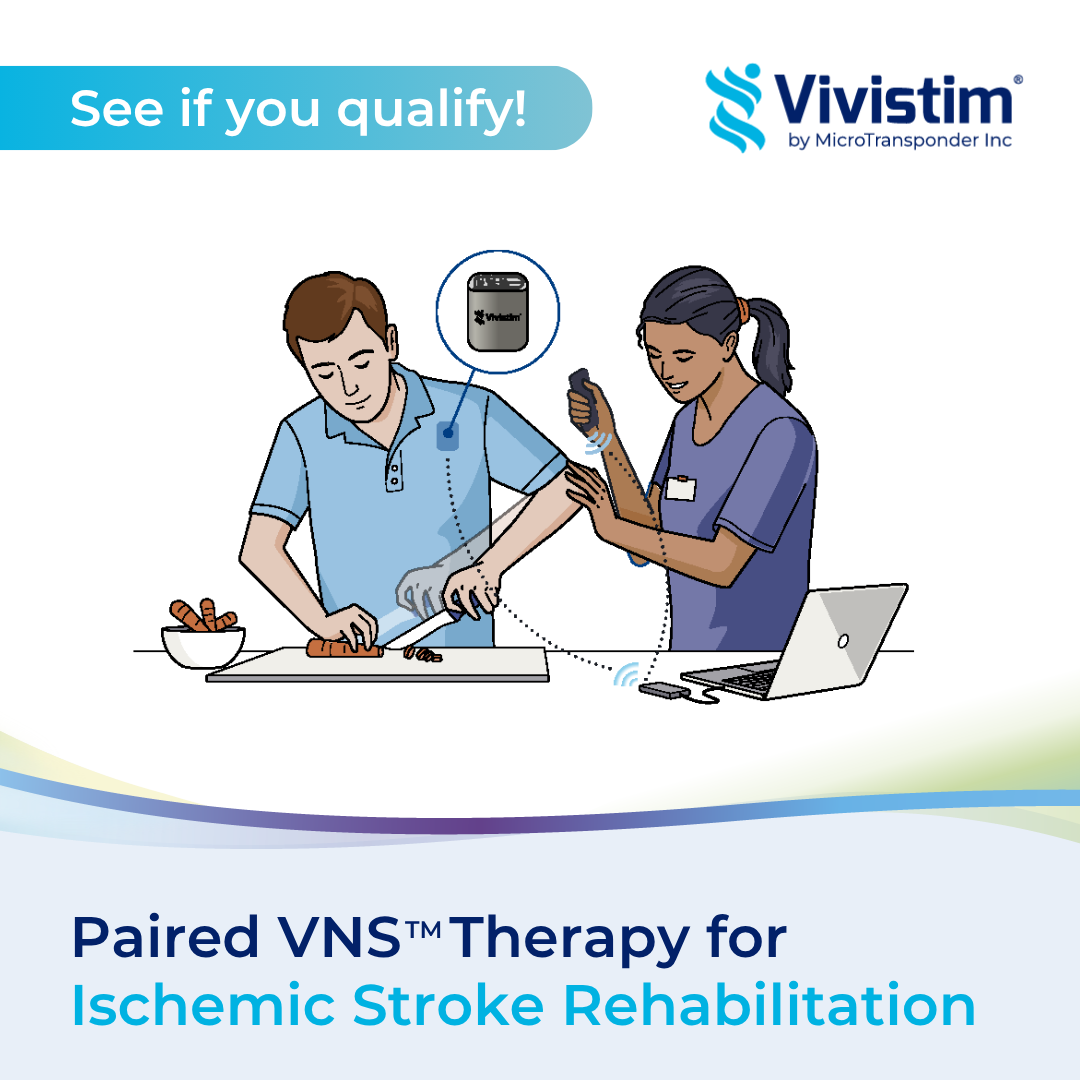
Vivistim is an FDA-approved breakthrough device that works with the brain and body to make stroke rehabilitation therapy and daily activities more effective.
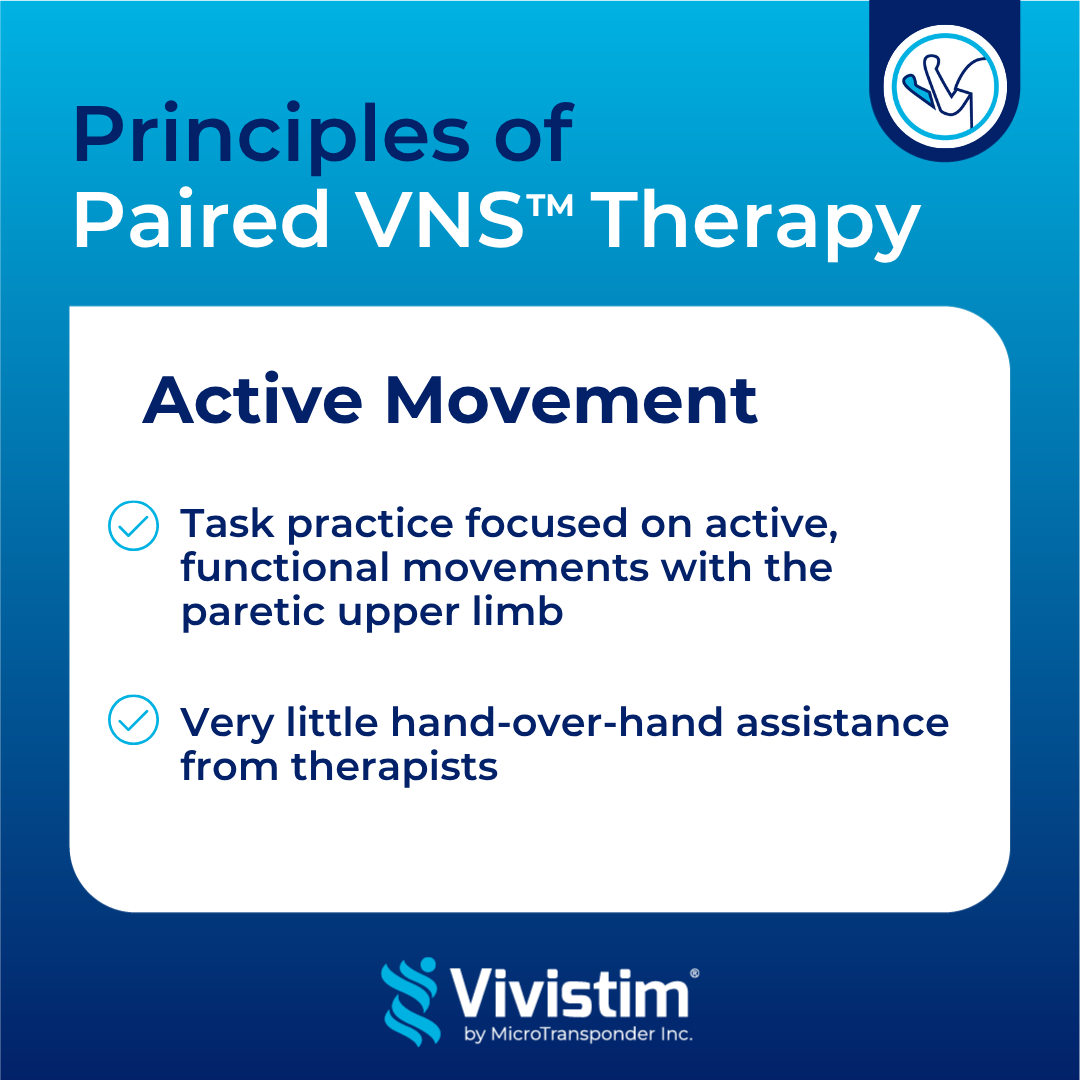
During rehabilitation exercises and daily activities, Vivistim is activated to gently stimulate the brain via the vagus nerve, this is known as Paired VNS™ therapy. Paired VNS therapy provides a boost to the brain that helps strengthen and create new neural pathways.
Most users don’t feel the stimulation. What they see is a noticeable improvement in hand and arm function over time. This allows users to achieve the goals that matter to them: preparing their food, buttoning their shirt, or playing cards.
MyoPro Electric Orthosis Training
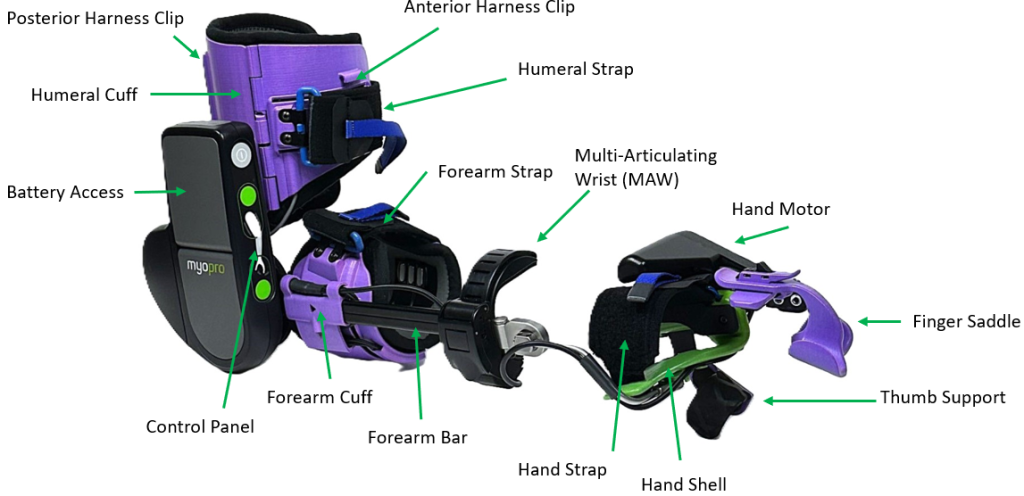
The MyoPro Brace for Stroke Survivor's Paralyzed Arm
MyoPro is a powered arm and hand orthosis (brace) designed to help restore function to the wearer’s paralyzed or weakened upper extremities, helping individuals perform actions and daily activities that might otherwise be impossible. The MyoPro may also facilitate rehabilitation including muscle re-education and increasing range of motion.
What conditions can be helped by the MyoPro Orthosis?
The most common medical conditions are those involving neuromuscular and neurological disease or injury, including:
Stroke
Brachial Plexus Injury (BPI)
Brain Injury (BI)
Spinal Cord Injury (SCI)
Other Neurological Disease
Sensory Regulation and Coping Skills
Sensory Awareness: Identify triggers and preferences across environments.
Regulation Strategies: Develop calming and alerting tools for balance.
Coping Skills: Build routines for stress and emotional management.
Environmental Modification: Adjust lighting, sound, and textures for comfort.
Mind-body Connection: Use grounding, breathing, and movement techniques.
Self-advocacy: Support communication of sensory and emotional needs.


Home & Environment Assessments
Safety Evaluation: Identify fall risks and hazards.
Accessibility: Recommend layout changes and adaptive equipment.
Task Efficiency: Simplify routines for easier daily living.
Mobility Support: Ensure safe movement within and around the home.
Caregiver Training: Educate on setup, transfers, and environmental use.
Independence: Create solutions that promote confidence and autonomy.